

1:500 Leverage Forex Brokers (and 1:1000, 1:2000)
1:500 leverage forex brokers explained with real data on IC Markets, XM, Exness and regulatory caps.
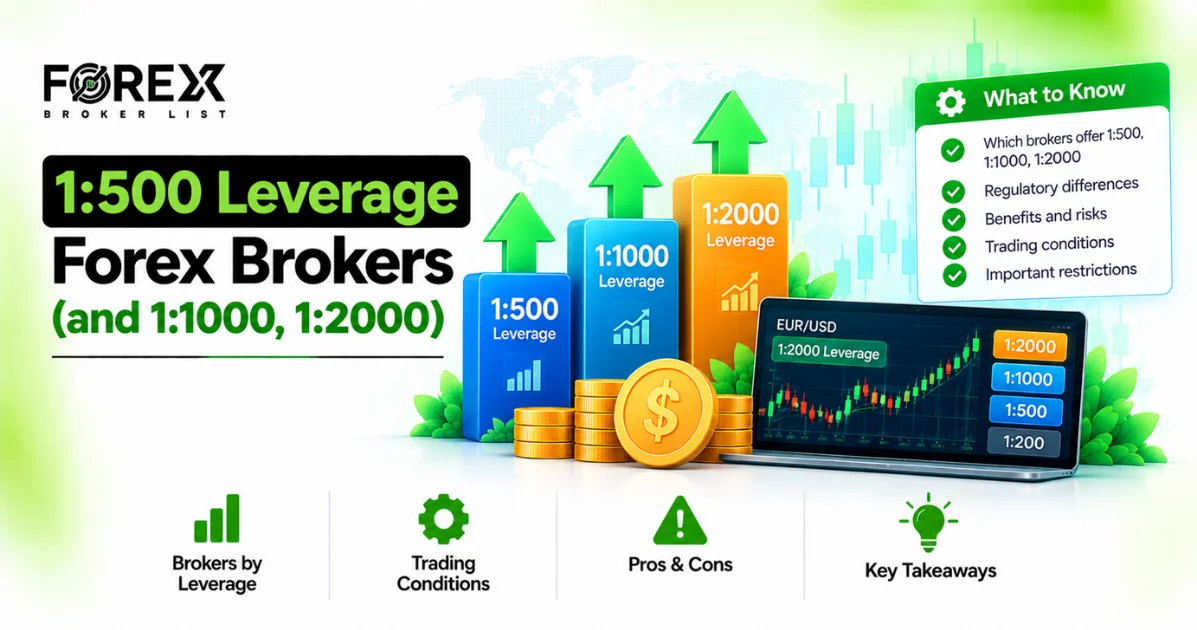
1:500 leverage forex broker options exist mainly through offshore entities or professional client status. Retail clients under FCA, ASIC, and CySEC face a hard 1:30 cap on major pairs. Brokers such as IC Markets Global (Seychelles), XM, and Exness publish higher ratios on non-Tier-1 entities, with equity-based tiers that reduce maximum leverage as balances grow.
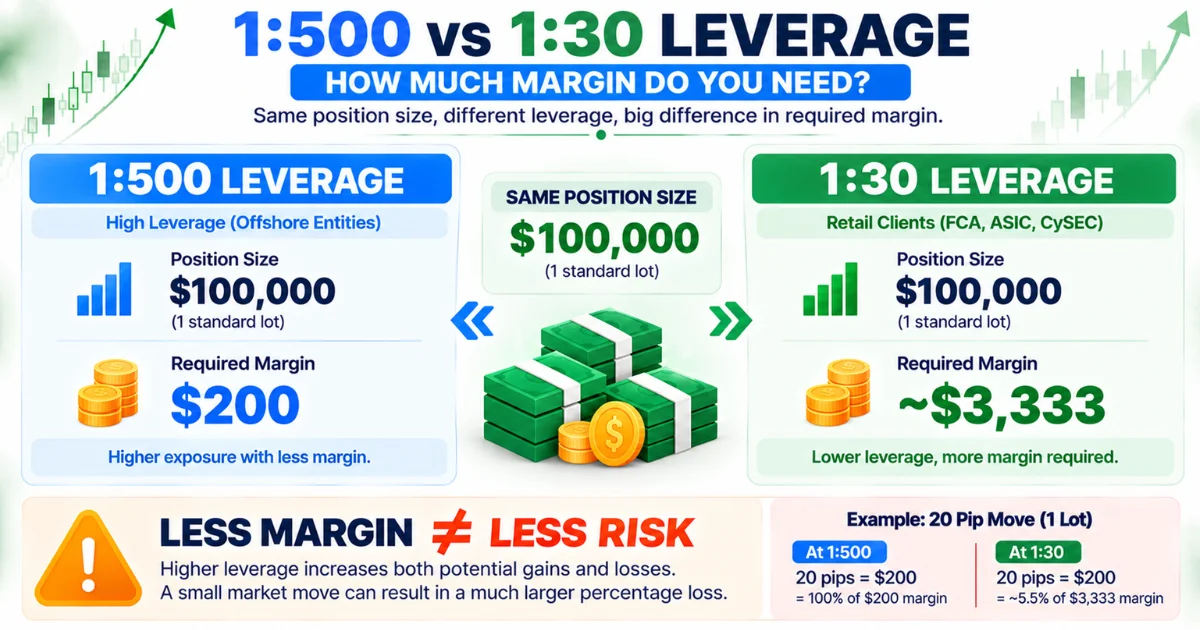
Traders seeking 1:500 leverage or higher must accept reduced protections. Tier-1 regulators (FCA, ASIC, CySEC under ESMA rules) limit retail leverage on major currency pairs to 1:30. Higher ratios appear on offshore-regulated entities or after professional reclassification. A $200 margin supports a $100,000 position at 1:500. The same position at 1:30 needs roughly $3,333. This efficiency comes with larger drawdowns and no mandatory negative balance protection on most offshore accounts.
What 1:500 Leverage Actually Means
1:500 leverage means $1 of margin controls $500 of notional exposure. On EUR/USD, one standard lot equals 100,000 units. At 1:500 you need about $200 margin to open that lot when the pair trades near 1.0850. At 1:30 the same lot requires about $3,617.
The ratio multiplies both gains and losses. A 20-pip move on a standard lot is $200. At 1:500 that represents 100% of the $200 margin. The same move at 1:30 is roughly 5.5% of the required margin. Most brokers apply dynamic or equity-based leverage so the advertised maximum only holds below certain balance thresholds.
Regulatory Caps on High Leverage
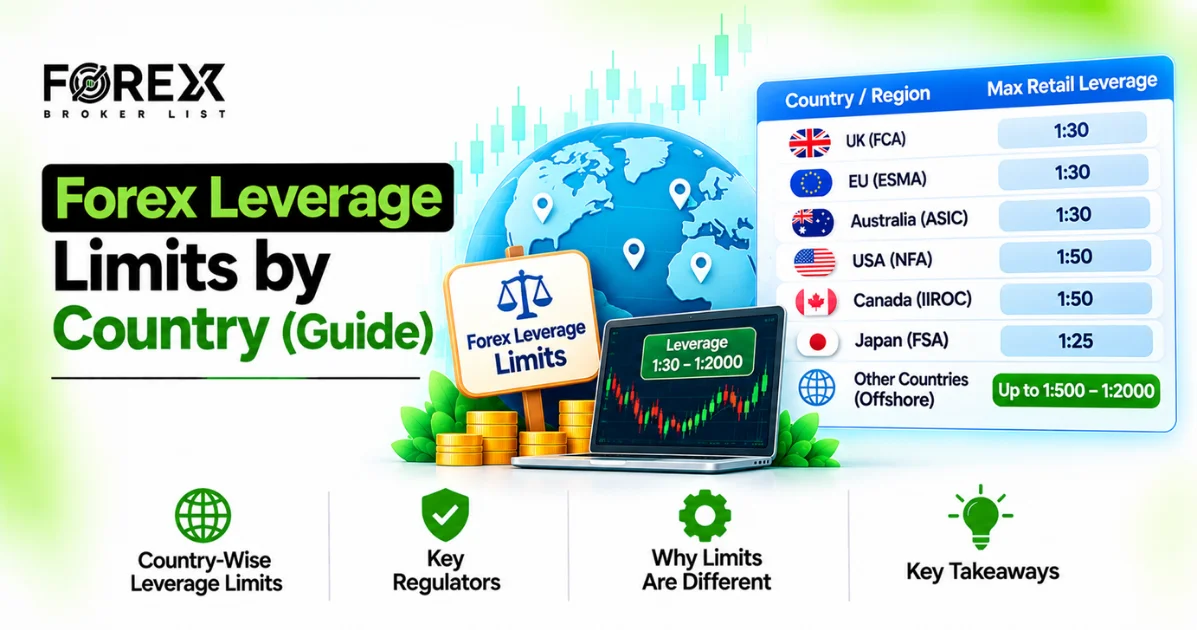
FCA, ASIC, and CySEC (aligned with ESMA) set retail leverage at 1:30 for major pairs, 1:20 for minors and gold, 1:10 for other commodities, 1:5 for shares, and 1:2 for crypto. ASIC’s Product Intervention Order remains in force. Professional clients at some Tier-1 entities can access higher ratios. Pepperstone Pro lists up to 1:500 on FX and gold for qualifying professional clients (Source: Pepperstone official site, October 2026).
Offshore entities under FSA Seychelles, FSC Mauritius, SCB Bahamas, or similar jurisdictions do not face the same retail caps. IC Markets Global (Seychelles) advertises up to 1:500 on its Standard account and higher tiered ratios on some platforms (Source: IC Markets Global site, October 2026). These entities typically lack investor compensation schemes and guaranteed negative balance protection.
You can compare regulated options on our Tier-1 regulated brokers page and review specific profiles for Pepperstone and IC Markets.
Comparison of 1:500+ Leverage Brokers
| Broker | Max Leverage (Offshore / Eligible) | Equity Tier Example | Min Deposit | Key Regulator (High-Leverage Entity) | Platforms |
|---|---|---|---|---|---|
| IC Markets Global | Up to 1:500 (Standard); higher tiered on MT4/MT5 | Position-size tiers | $200 | FSA Seychelles | MT4, MT5, cTrader |
| XM | Up to 1:1000 (equity ≤ $40,000) | 1:500 above $40k; lower at higher equity | $5 | Multiple (offshore entities) | MT4, MT5 |
| Exness | Up to 1:Unlimited (equity < $5,000 + conditions) | 1:2000 default below $5k; scales down | $10 | FSA Seychelles | MT4, MT5, proprietary |
| Pepperstone Pro | Up to 1:500 (professional clients) | N/A (status-based) | $0 | ASIC / FCA (pro status) | MT4, MT5, cTrader |
| HFM | Up to 1:2000 | Equity-based | Low | Offshore entities | MT4, MT5 |
Data sourced from broker official sites and regulatory disclosures. Last updated: October 2026.
XM publishes equity tiers: leverage up to 1:1000 for total equity between $5 and $40,000, dropping to 1:500 between $40,001 and $80,000 (Source: XM Help Center, September 2026). Exness requires equity below $5,000, at least 10 closed orders, and 5 lots volume before unlimited leverage becomes available on eligible instruments (Source: Exness Help Center, October 2026).
See our broader highest leverage forex brokers comparison for more names and conditions.
Risks of Trading at 1:500 and Higher
High leverage amplifies small price moves into large percentage changes in account equity. During the 2015 CHF flash crash, many leveraged accounts were stopped out or driven negative within minutes. Brokers without guaranteed negative balance protection can leave traders owing money.
Common mistakes include:
- Using maximum leverage on news events without reduced position size.
- Ignoring equity tiers that automatically cut available leverage.
- Opening accounts under offshore entities while assuming Tier-1 protections apply.
Stop-out levels vary. Some offshore brokers set stop-out near 20% or lower. Professional status at Pepperstone or similar removes some retail protections even under Tier-1 entities.
How to Choose a High-Leverage Broker
Check the exact legal entity in your account agreement, not the brand name. Verify the licence number on the regulator’s public register. Prefer brokers that publish clear equity-based leverage tables and negative balance protection policies.
Compare spreads and commissions on the account type that actually offers the high leverage. Raw or ECN accounts at IC Markets and Pepperstone often start from 0.0 pips with $3.50 per lot per side commission (Source: broker official pricing pages, October 2026). Wider spreads on standard accounts can offset the margin efficiency of high leverage.
Browse verified listings on ForexBrokerList brokers and filter by regulation strength. Review individual pages for XM and Exness before depositing.
Conclusion
1:500 leverage forex broker access is real but almost always tied to offshore entities or professional client status. Retail traders under FCA, ASIC, and CySEC remain capped at 1:30 on majors. Higher ratios improve capital efficiency for small accounts yet raise the risk of rapid account depletion. Always confirm the contracting entity, current leverage tiers, and protection policies on the broker’s official site before funding an account.
This article is for informational and educational purposes only. It does not constitute financial or investment advice. Forex and CFD trading involves significant risk of loss and is not suitable for all investors. Always verify a broker's regulatory status through official authorities such as FCA, ASIC, or CySEC before depositing funds.
Frequently Asked Questions
Dipak Dangodra | Financial Writer at Forex Broker List
I am Dipak Dangodra, a financial writer at Forex Broker List. I have published 200+ articles on forex broker reviews, trading platforms, spreads and commissions, and regulatory analysis using data from FCA, ASIC, and CySEC.
Related Blogs
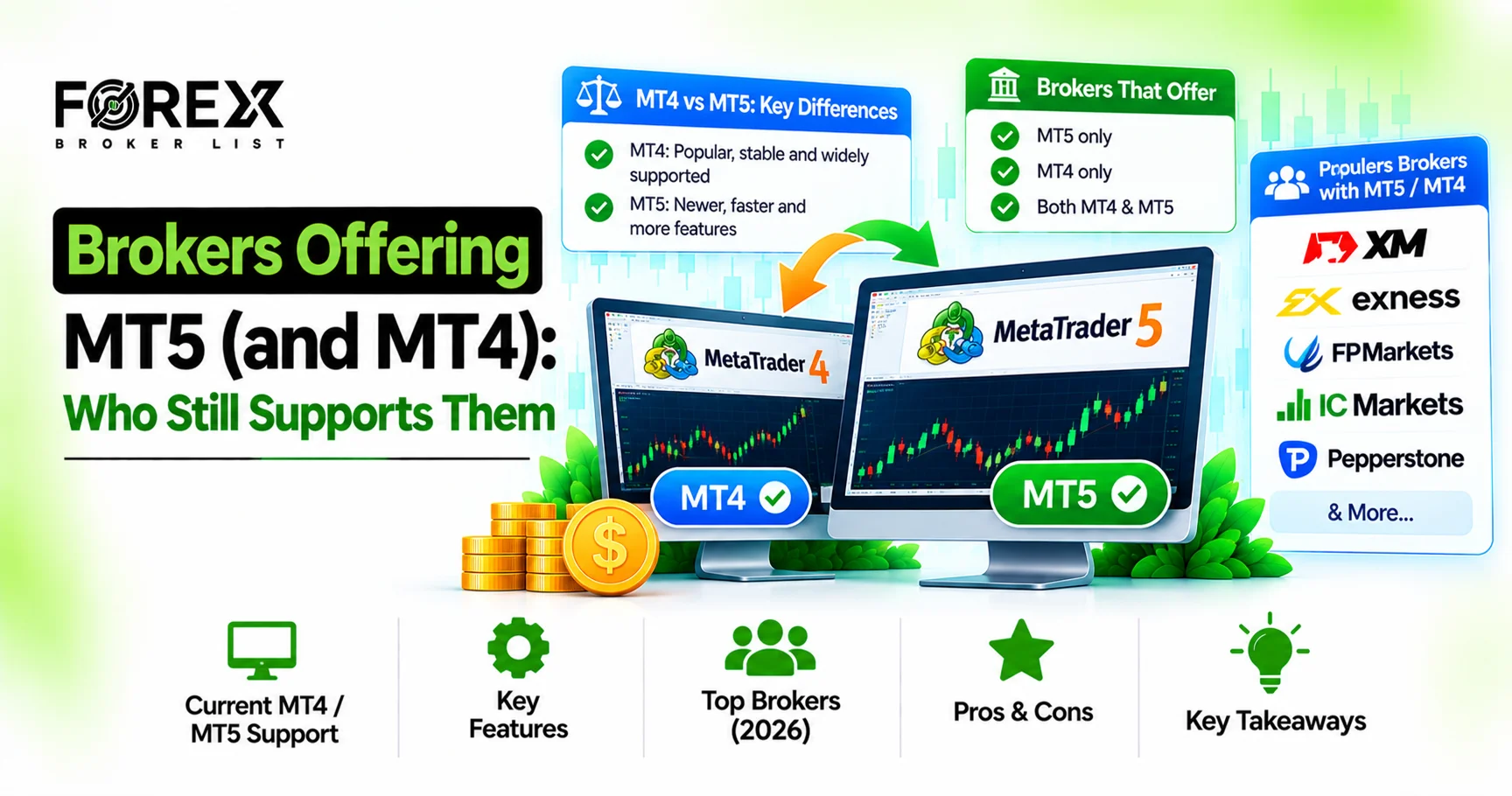
Brokers Offering MT5 (and MT4): Who Still Supports Them
 Your brand here